Miami is a city defined by motion—shifting demographics, economic growth, climate challenges, and cultural diversity all influence how residents live and work. As these conditions evolve, community services across Miami must adapt quickly to remain effective and relevant. From healthcare and housing assistance to education, transportation, and environmental programs, local service providers continuously reassess priorities to reflect the real needs of the population. This adaptability is essential in a city where change is not occasional, but constant.
Responding to Population Growth and Diversity
One of the most significant drivers of adaptation in Miami’s community services is population growth and diversity. New residents arrive from across the country and around the world, bringing different languages, cultures, and expectations. Community organizations respond by expanding multilingual services, culturally responsive outreach, and inclusive programming. Social service agencies partner with local leaders and cultural groups to ensure that assistance is accessible and respectful. This responsiveness helps bridge gaps and ensures that no group is left underserved as neighborhoods evolve.
Leveraging Technology and Innovation
Miami community services increasingly rely on technology to improve access and efficiency. Online appointment systems, virtual consultations, mobile outreach apps, and digital resource directories allow residents to connect with services more easily. For organizations operating with limited budgets, technology helps streamline operations and reduce administrative burdens. Data-driven decision-making also enables service providers to identify emerging trends, allocate resources more effectively, and adjust programs based on real-time community feedback.
Addressing Housing, Infrastructure, and Climate Needs
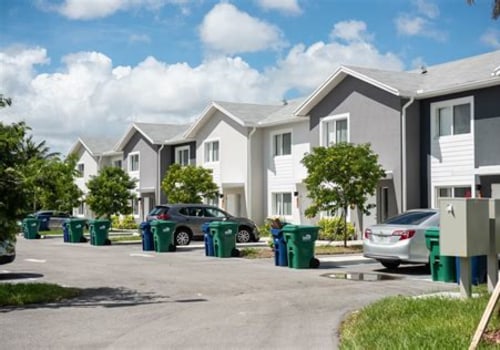
Housing affordability, infrastructure strain, and climate resilience are central concerns in Miami, and community services have adapted accordingly. Housing organizations collaborate with city agencies to support renters, homeowners, and displaced residents. Environmental programs focus on flood preparedness, energy efficiency, and sustainable development. As climate awareness grows, partnerships with specialized providers—such as solar panel installers in Miami, FL—support community efforts to reduce energy costs, promote sustainability, and build long-term resilience for households and public facilities alike.
Strengthening Partnerships Across Sectors
Adaptation is rarely achieved alone. Miami’s community services thrive through partnerships between nonprofits, government agencies, private businesses, and grassroots organizations. These collaborations allow services to expand reach without duplicating effort. For example, healthcare providers may partner with housing or food assistance programs to address root causes of health issues, while educational organizations collaborate with workforce development groups to align training with local job opportunities. Cross-sector partnerships make services more flexible and better equipped to handle complex, interconnected challenges.
Focusing on Preventive and Proactive Support
Another way Miami community services adapt is by shifting from reactive responses to preventive strategies. Rather than waiting for crises, many organizations focus on early intervention through education, outreach, and resource planning. Preventive healthcare programs, youth mentorship initiatives, and financial literacy workshops help reduce long-term strain on emergency services. This proactive approach not only improves outcomes for individuals but also strengthens overall community stability.
Engaging Residents in Solution-Building
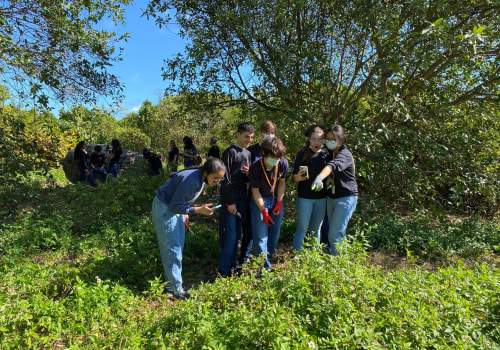
Miami’s most effective community services actively involve residents in shaping solutions. Community forums, surveys, and advisory boards provide platforms for local voices to influence program design. This engagement ensures that services reflect lived experiences rather than assumptions. When residents participate in decision-making, programs are more likely to gain trust, achieve participation, and deliver meaningful results.
Adapting Today for a Stronger Tomorrow
How Miami community services adapt to changing local needs ultimately reflects resilience, collaboration, and innovation. By embracing diversity, leveraging technology, forming strategic partnerships, and focusing on prevention, these services remain responsive in a rapidly evolving city. Their ability to adjust ensures that Miami’s communities are not only supported in the present, but also prepared for the challenges and opportunities of the future.